We live at a time when the phrase “a home with artificial intelligence” has stopped being science fiction and become everyday reality. Just 10 years ago we could only dream of curtains closing by themselves against the sun or the coffee machine switching on at a command from the pillow. Today this is the standard of comfortable living.
However, the “smart” device market is treacherous. Many think a smart home system is a set of boxes from an electronics shop that can be bought and connected after the renovation is done. And that is the main mistake. Let’s look at what the ideal ecosystem consists of and why its architecture needs to be discussed before the designer even approves the sockets.
Security that never sleepsSmart lock and video surveillance
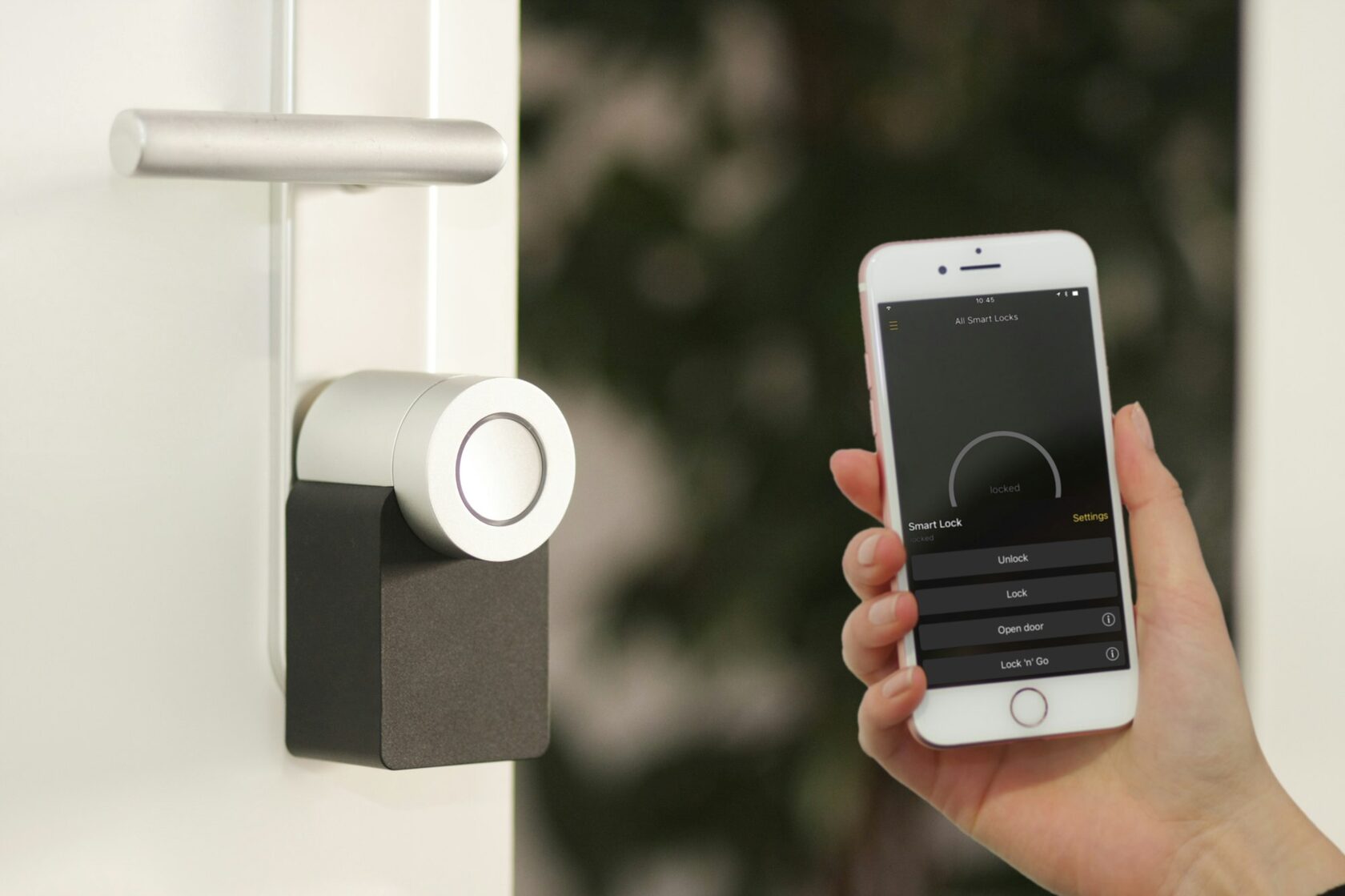
Comfort starts with a sense of security. Today the “smart lock + video surveillance” combination is the first line of defence for your home.
A smart lock is not just about giving up a physical key. It is a system of access levels. You can open the door with a fingerprint, a PIN code or from your smartphone. Forgot to give your mother-in-law a key? Just send her one-time access for the duration of your holiday. Most importantly, the lock integrates into the overall system: as you approach, the house already knows the owner is coming and gets ready to switch on the hallway light.
But the lock is only half the story. Video surveillance today means Full HD or 4K images with face recognition. Cameras built into the intercom or installed around the perimeter don’t just record video. They can tell a passer-by from a courier, and a courier from a suspicious stranger standing too long by the car. In case of danger the system immediately sends a notification to you and, if needed, to a security service.
A quiet war against floodingLeak protection
Statistically, water leaks account for the lion’s share of insurance claims in apartments. Nobody is safe from a burst washing machine hose or a broken pipe while away from home.
Smart leak protection works ruthlessly and fast. Sensors are installed in “wet areas”: under sinks, in bathrooms, behind the washing machine. As soon as water touches the contacts, it’s a matter of seconds. Motorised valves shut off the water, and you get a push notification on your phone: “Emergency. Water shut off.”
You come home not to pump out a lake at the neighbours’ downstairs, but just to wipe up a small puddle.
The magic of atmosphereClimate and lighting control
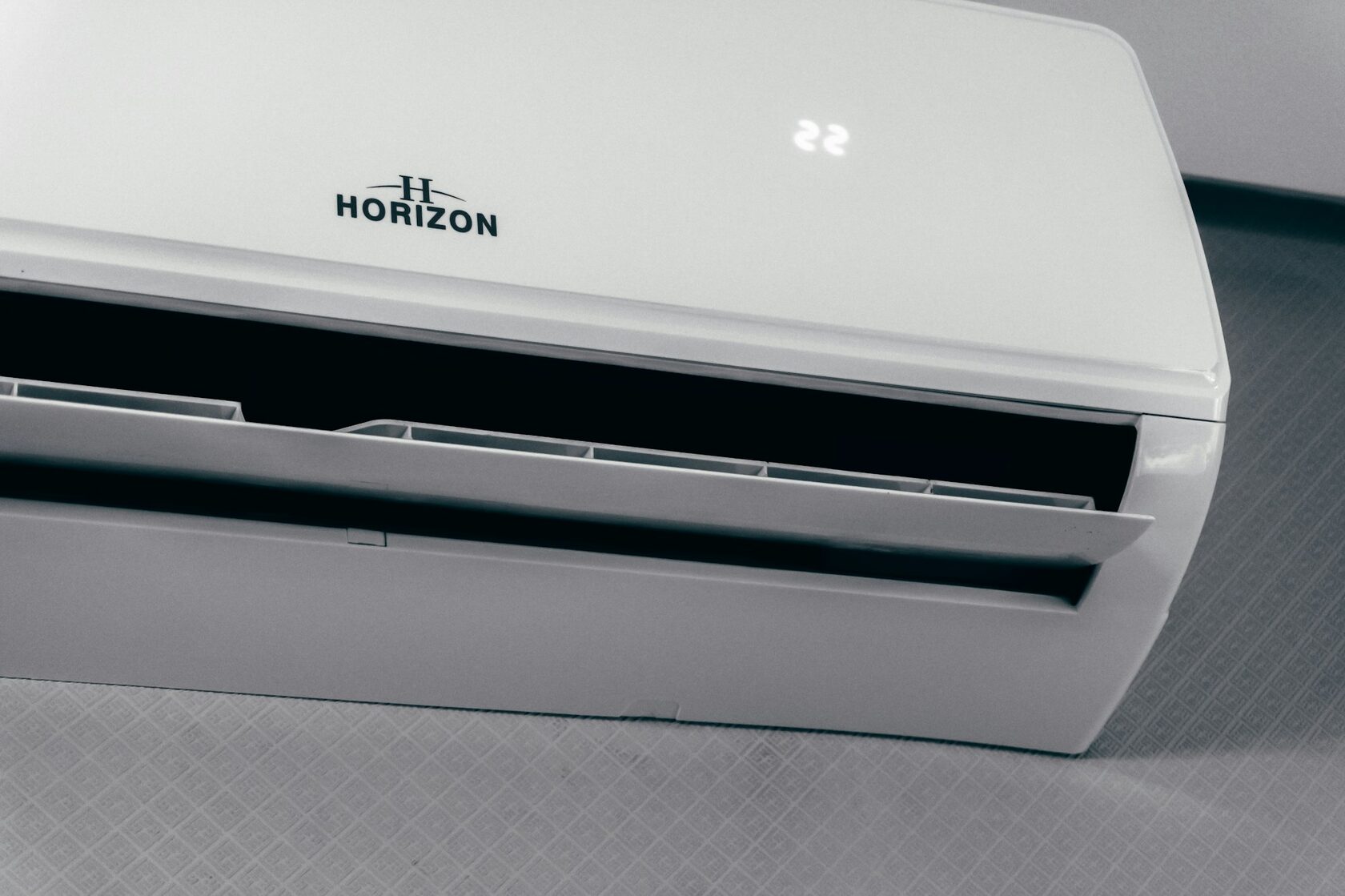
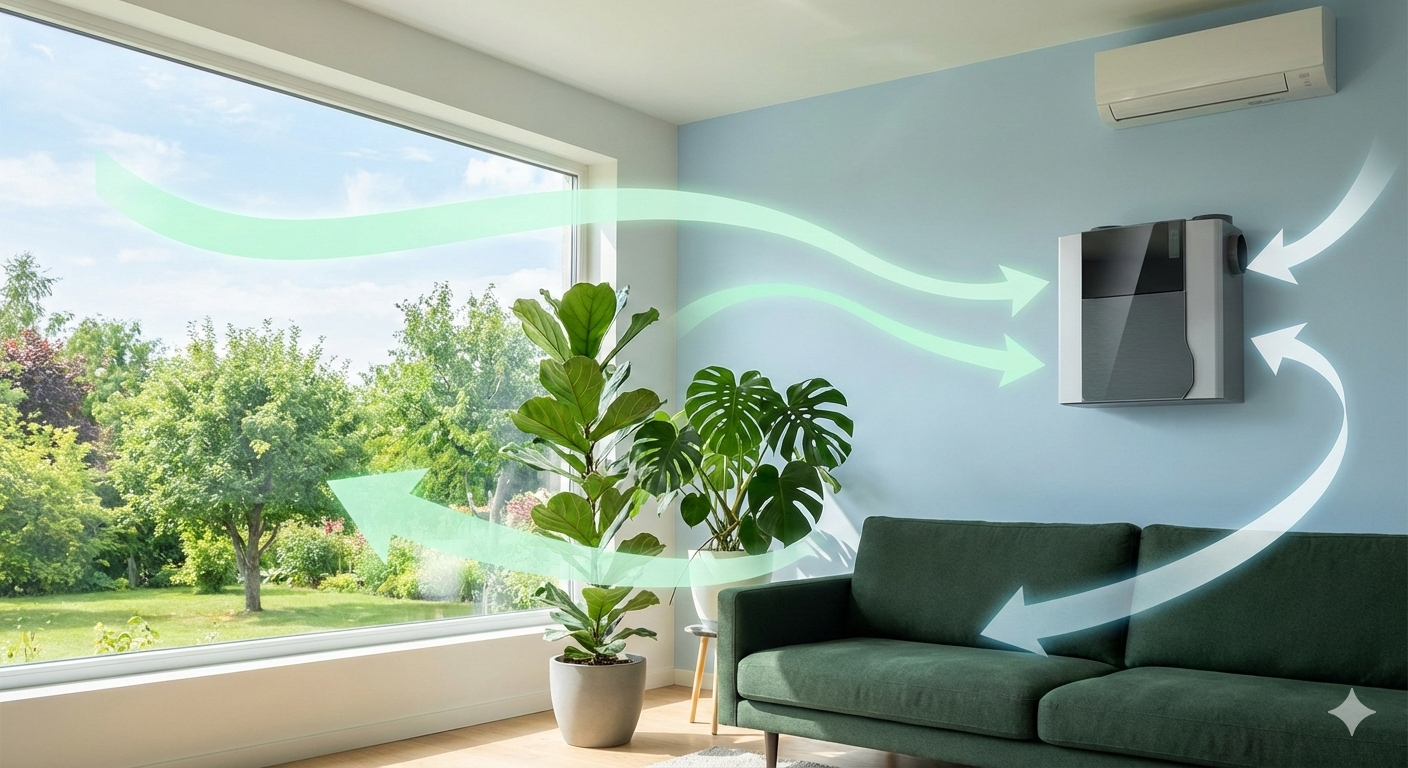
This is the part of the smart home people love most. Climate control is not just an air conditioner you can switch on from your phone. It is a single system that combines air conditioners, underfloor heating, radiators and supply ventilation.
Temperature and humidity sensors monitor the air in every room. If the bedroom gets stuffy, the supply unit adds oxygen. If the children overheat the radiators in their room, the actuators on the radiators turn the heating down. The system looks after not only your comfort but also your bills, not letting you heat the street through an open window.
Lighting control works alongside the climate. Lighting in a smart home is an art. You forget about “running around to the switches”. The light comes on smoothly when you enter a room and goes off when you leave (or fall asleep). Lighting scenarios let you create the right atmosphere: “Bright” for cleaning, “Dimmed” for a cosy evening or “Night mode” — soft lighting leading to the bathroom that doesn’t hurt your eyes.
The exterior under controlSmart curtains
Smart curtains (or motorised tracks) complete the picture of the ideal home. They can be controlled with a remote or by automation.
For example, the “Good morning” scenario: the alarm goes off at 7:00 and the bedroom curtains begin to open slowly, letting in natural light and waking you more gently than any coffee.
On a hot summer day, when the sun is beating on the windows, the system closes the curtains (or blinds) by itself, helping the air conditioner keep things cool and saving electricity. It is not just a pretty gadget, it is a full participant in climate control.
The main conductorVoice control
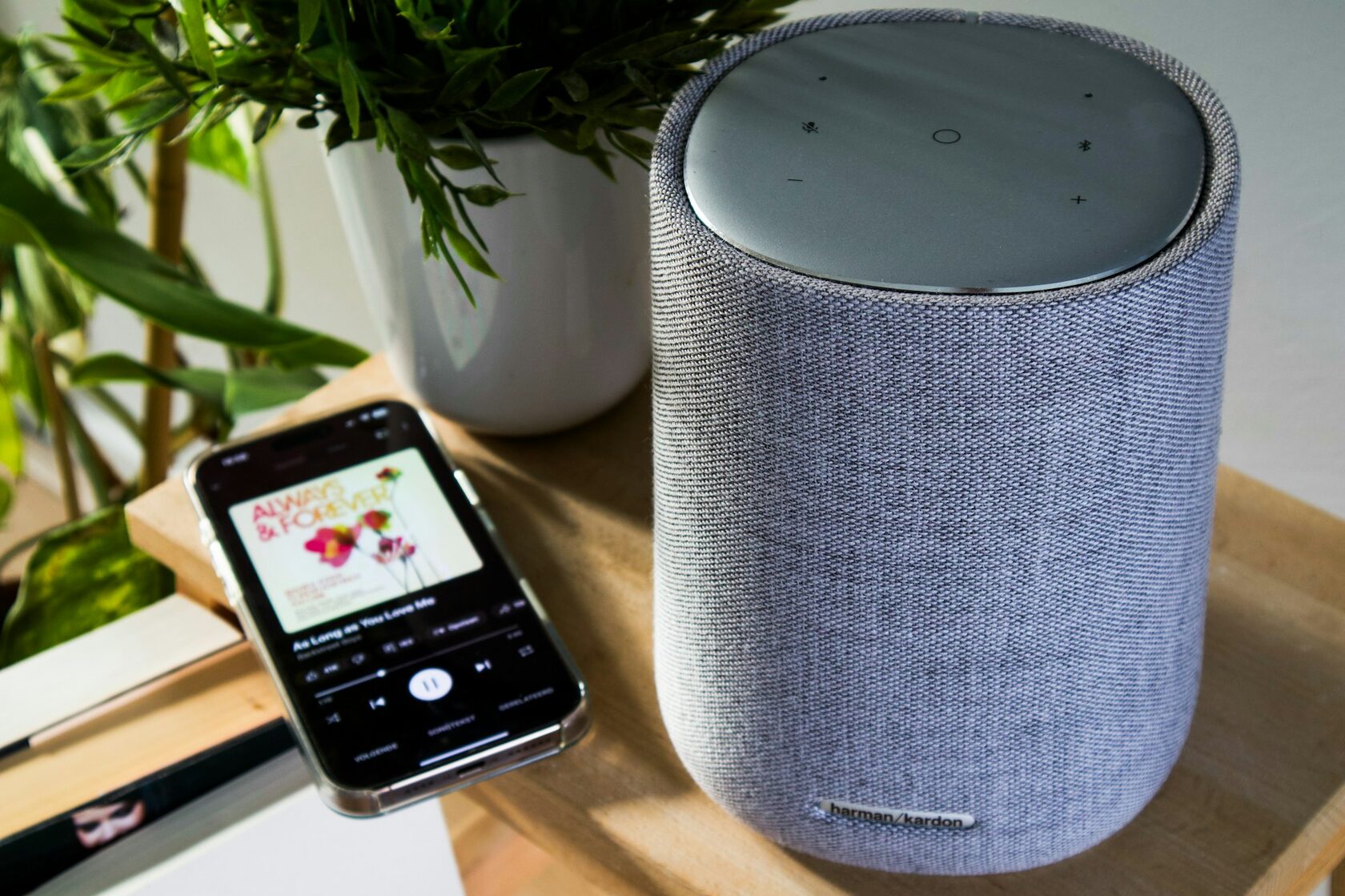
How do you avoid getting lost in all these apps and remotes? The answer is voice control. We live in a world without a single standard, and a good smart home system gets along with everyone.
Depending on your preference and country of residence, integration is possible with Apple Home (Siri), Google Home, Amazon Alexa, and with local players — Yandex Alice and Samsung Bixby (via SmartThings). For the Asian market, for example, integration with Clova (by Line) is relevant.
Voice unites everything. You simply say “Good night, Alice” or “Hey Siri, good night”. The house switches off the lights, shuts off the water (optionally), closes the curtains, arms the alarm and checks that all the windows are closed. Voice control removes the barrier between people and technology. You don’t need to look for your phone to turn up the music or make the light warmer. Just say it.
A single language of automationThe Matter protocol and ecosystems
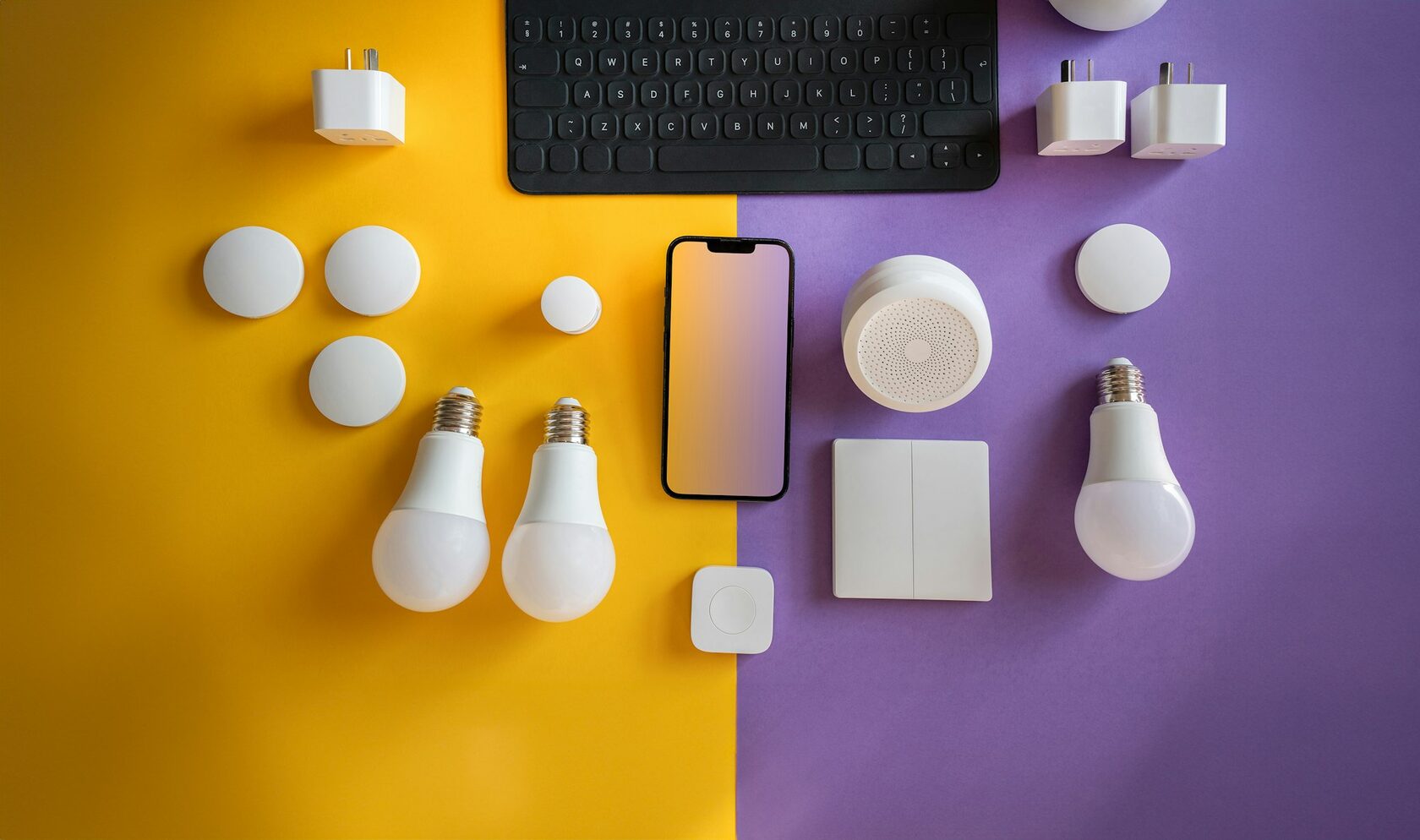
Until recently the user’s main headache was device incompatibility. A Philips bulb wouldn’t talk to a Xiaomi sensor, and an Aqara sensor wouldn’t work with a Samsung hub. The solution to this problem is the new Matter standard.
This protocol is a kind of “universal translator” that lets devices from different brands work together without endless fiddling. When choosing equipment we always check for Matter support, as it guarantees that your home will still be up to date in 5–10 years.

We work with systems built on the leading ecosystems:
- Apple HomeKit: for those who value privacy and seamless work with iPhone, iPad and Mac. (More about our partnership with Apple below.)
- Samsung SmartThings: a powerful platform with a huge community and support for an enormous number of devices.
- Yandex Alice: integrates perfectly with local services and devices.
What’s more, many modern systems support IFTTT (If This Then That) logic — a builder that lets you create your own scenarios across technologies. For example: “If rain is forecast for tomorrow and I have left for work, turn off the lawn watering.”
Only large, proven brands
Our selection philosophy
We work only with equipment and software from proven brands that take responsibility for quality and release regular firmware updates.
- For wireless smart home solutions we prefer the well-known Aqara brand, which offers a wide range of locks, relays, sensors and control devices.
- For leak systems we use Gidrolock motorised shut-off valves.
- Video surveillance is represented by Hikvision, Dahua and UNV.
It’s worth noting that a number of the manufacturers we work with are official Apple partners. This means their equipment carries the “Works with Apple Home” (or “Designed for Apple HomeKit”) label, and its integration into the Apple ecosystem is as smooth and secure as possible, without loss of functionality, with control right from the standard Home app on your devices — after all, Apple pays enormous attention to data protection in smart home security, devoting huge resources to it and setting standards for the whole industry.
The iron rule: why you need the design before the renovation
And now we come to the most important point. You can buy the most expensive lock, the best leak sensors and stylish motorised curtains. But if you do it AFTER the tiles are on the walls and the ceilings are stretched, you will either pay three times as much for dusty rework of the renovation or end up with a “smart home” of wires sticking out of the skirting boards.
Smart home integration must start at the design project stage.
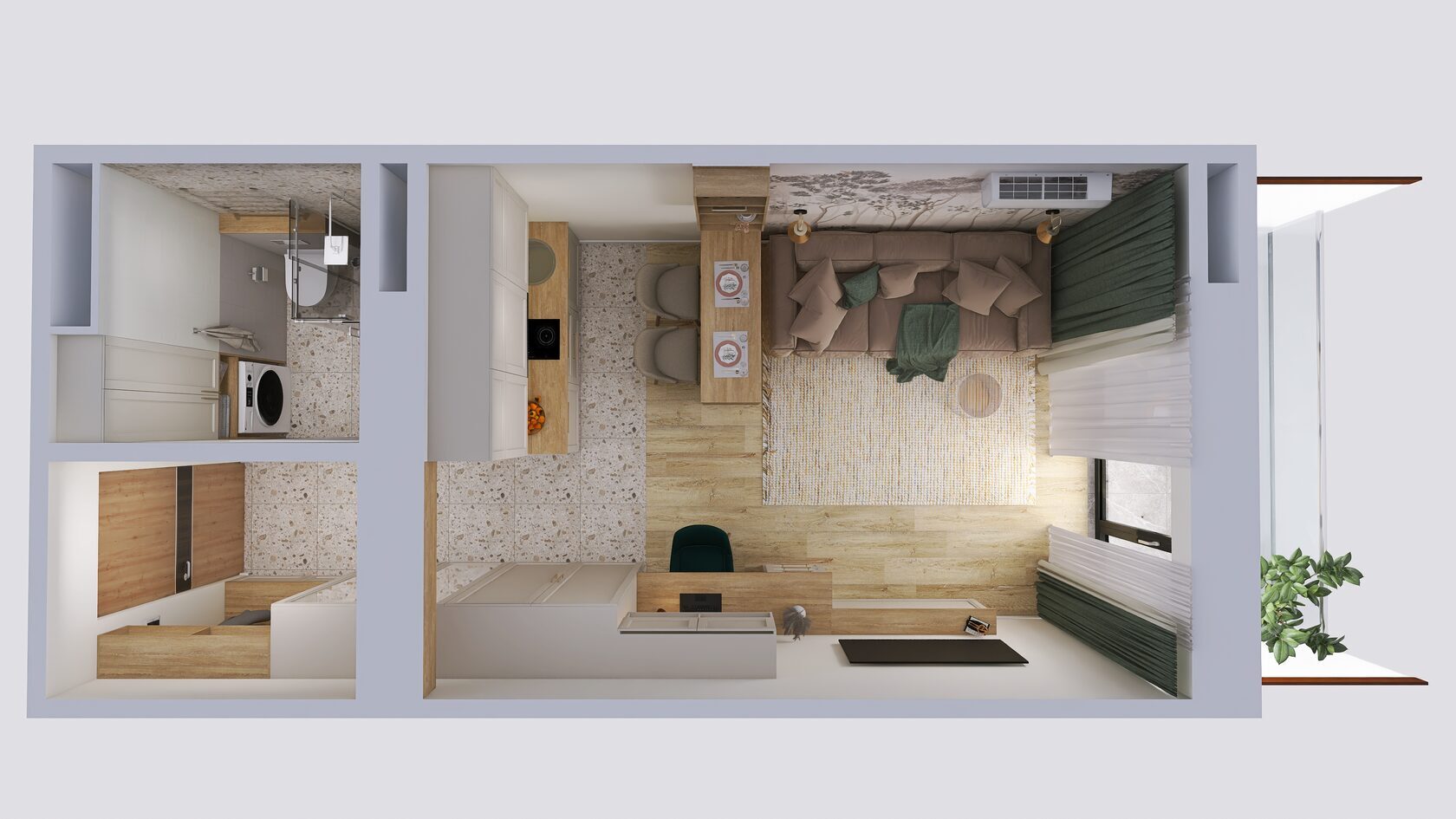
Electrics: the smart home engineer works out where wires for motion sensors must run, where to bring power to motorised tracks and where to install concealed boxes for climate control.
Aesthetics: all sensors should be hidden in the ceiling or installed flush in the walls so as not to spoil the interior.
Compatibility: the designer and engineer need to know what type of fittings and bulbs are used, since dimming (brightness control) doesn’t work with all bulbs.
Discussing the automation concept from the outset lets you create a home that looks like an ordinary stylish interior but inside lives by the laws of cyberpunk, obeying your wishes and habits. Don’t put automation off until later — lay the foundation for comfort today.